Shop
Wide fit running shoes: read this first
We would rather be useful than sell you the wrong shoe. Here is exactly what The Everyday does if you run, and when you should buy something else instead.
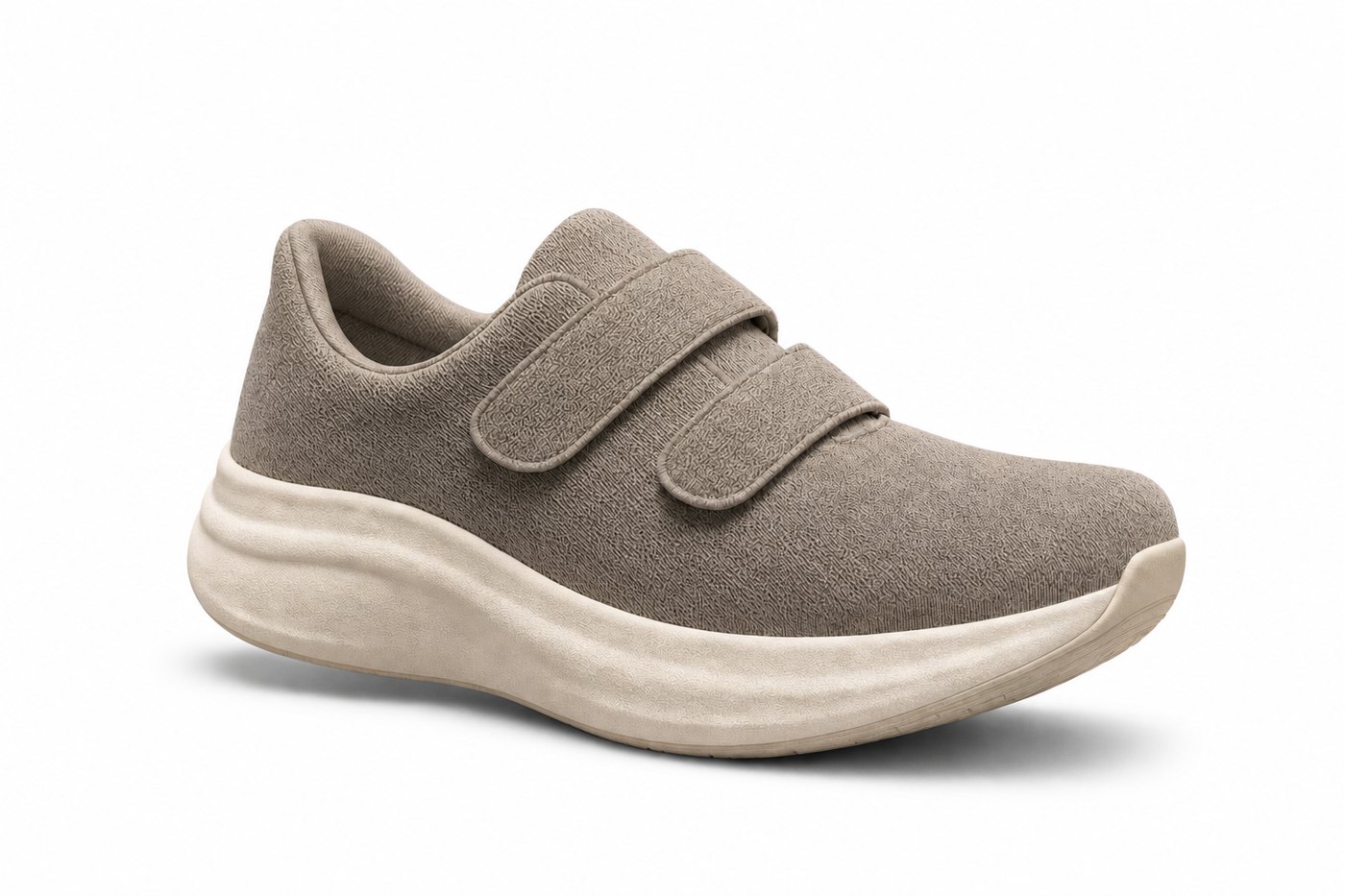
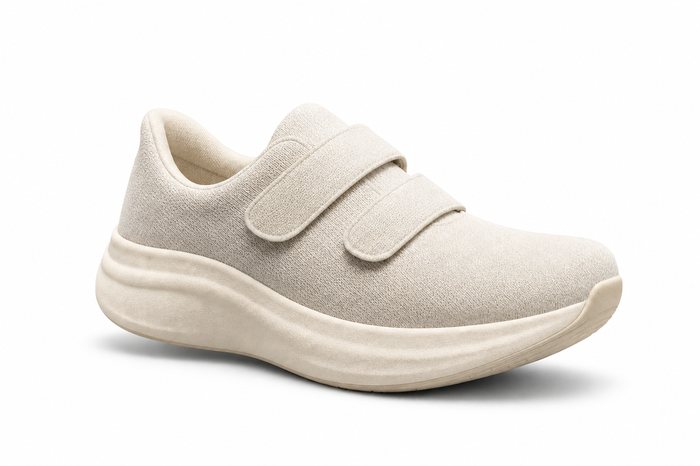
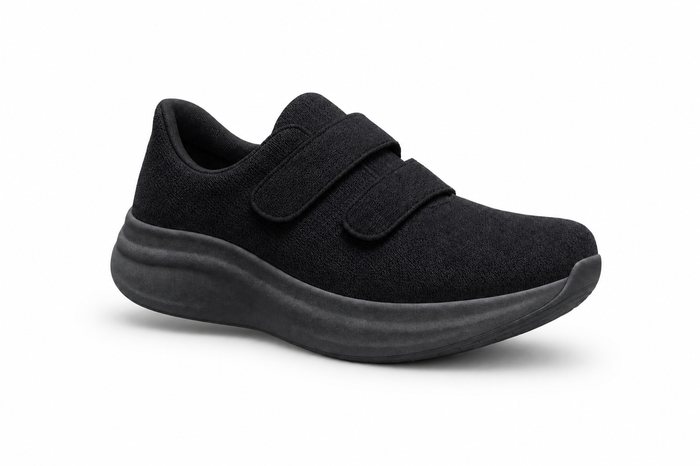
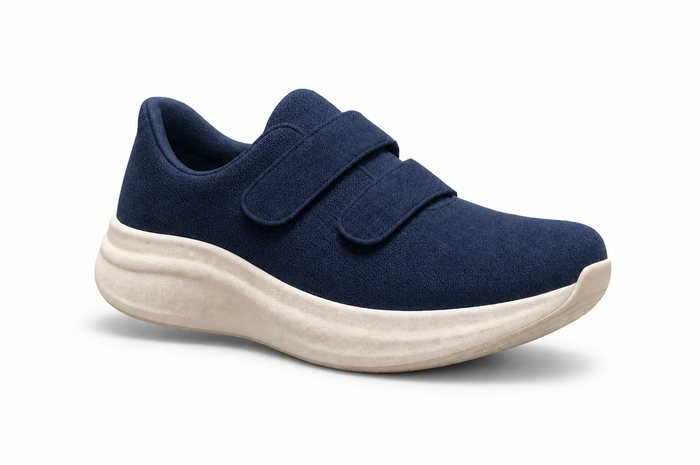
Choose a colourway
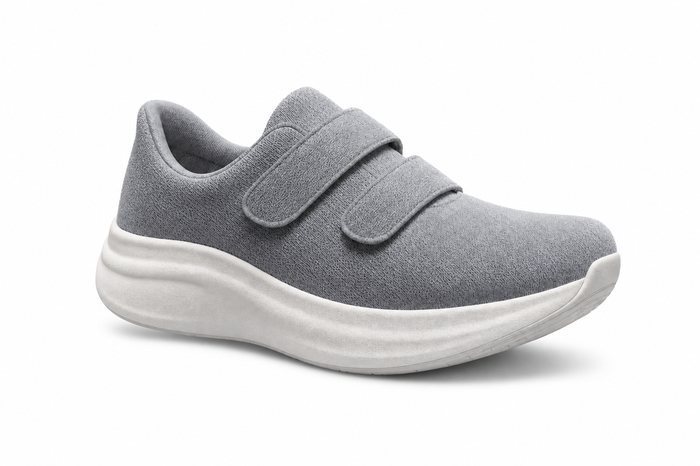
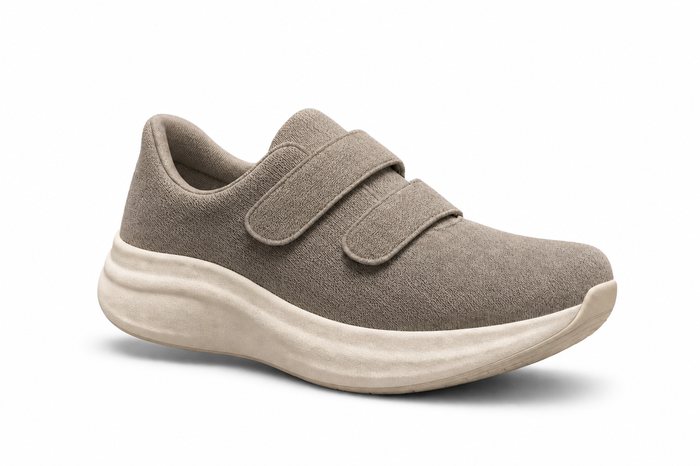
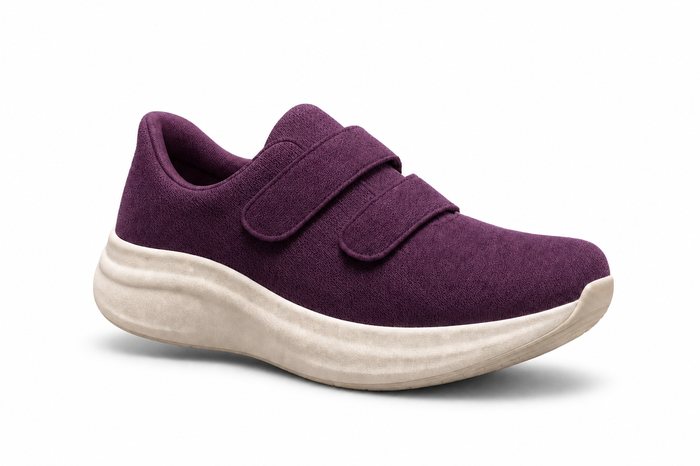
The honest answer
The Everyday is a wide fit trainer built for walking, standing and daily wear. It is not a running shoe. If you run regularly — anything above the occasional light jog — you want a purpose-built running shoe in a wide fitting, and several running brands do make genuine wide and extra-wide versions of their road models.
What we can do is help you get the fit right, whoever you buy from. That is what the rest of this page is for.
What we do offer runners
If you run occasionally, walk-run, or are returning to activity after time off, this shoe will handle it. The rocker profile helps push-off, the midsole is firm enough not to collapse and the width means your forefoot can spread under load, which is where most runners with wide feet actually suffer. What it lacks is the responsive foam, the lower weight and the outsole pattern that a dedicated running shoe brings to repeated impact.
Fitting a running shoe when your feet are wide
| Fitting | Roughly equals | Choose it if |
|---|---|---|
| EE (Wide) | About one fitting above a standard high-street trainer | Standard trainers feel tight across the ball of the foot but you can wear them |
| EEEE (Extra Wide) | Two to three fittings above standard | Bunions, a spreading forefoot, or you wear a custom orthotic |
| 6E (Ultra Wide) | The widest fitting sold in UK retail | Oedema, lymphoedema, bandaging, or feet that change size through the day |
Two rules that apply whatever brand you end up in. First, feet swell substantially during a run — allow a full thumb's width of toe room and expect to need more girth than in a walking shoe. Second, do not fix a width problem with length. A longer shoe moves your foot back off the flex point of the sole, which causes its own problems. Measure your girth and buy to that.
If you have a condition as well as wide feet
Running with diabetic neuropathy, an active bunion or a prescribed orthotic needs individual advice rather than a product page. A podiatrist with a running interest is worth the appointment fee. In the meantime, the neuropathy fitting guide and the orthotics guide both apply to running shoes as much as to ours.
Common questions
Can I run in The Everyday?
Do you plan to make a running shoe?
What width do I need in a running shoe?
Are wide fit running shoes worth it?
Where to go next
Not sure which fitting?
The width finder asks three questions about how shoes currently fail you and names the fitting to start with. If it gets it wrong, exchanges are free for sixty days.